How a range eats your account: Dmitry's story | Upscale

Dmitry came to trading from TikTok, and a couple of years later he was already passing prop challenges and withdrawing real money. From a $10,000 funded account on Upscale he withdrew $1,086 in two payouts. But the most valuable part of his story isn't the payouts — it's his honest breakdown of what happened afterward: the market moved into a range, and his account slowly started getting "sawed" by stops. Trying to reach a new payout as fast as possible, Dmitry raised his risk, "the market avenger woke up," and he nearly lost everything he'd earned. This is a story about how consolidation and trying to win it back drain a deposit — and how to avoid it.
From TikTok to prop trading
Dmitry got into trading in an ordinary way — he saw a TikTok clip saying "this is cool, you should try it." He started learning bit by bit, gradually built a team of traders around him, and began developing his own channels. He came to prop trading as a logical tool.
"The only real way to grow a deposit is prop challenges, where you can make solid payouts with a small amount."
He's been trading on prop firms for a relatively short time, about two years: he tested strategies on demo, traded on various prop firms, and eventually stayed on Upscale. He passed the starting $10,000 account in around 15–16 days and reached funding.
Strategy: trading from liquidity
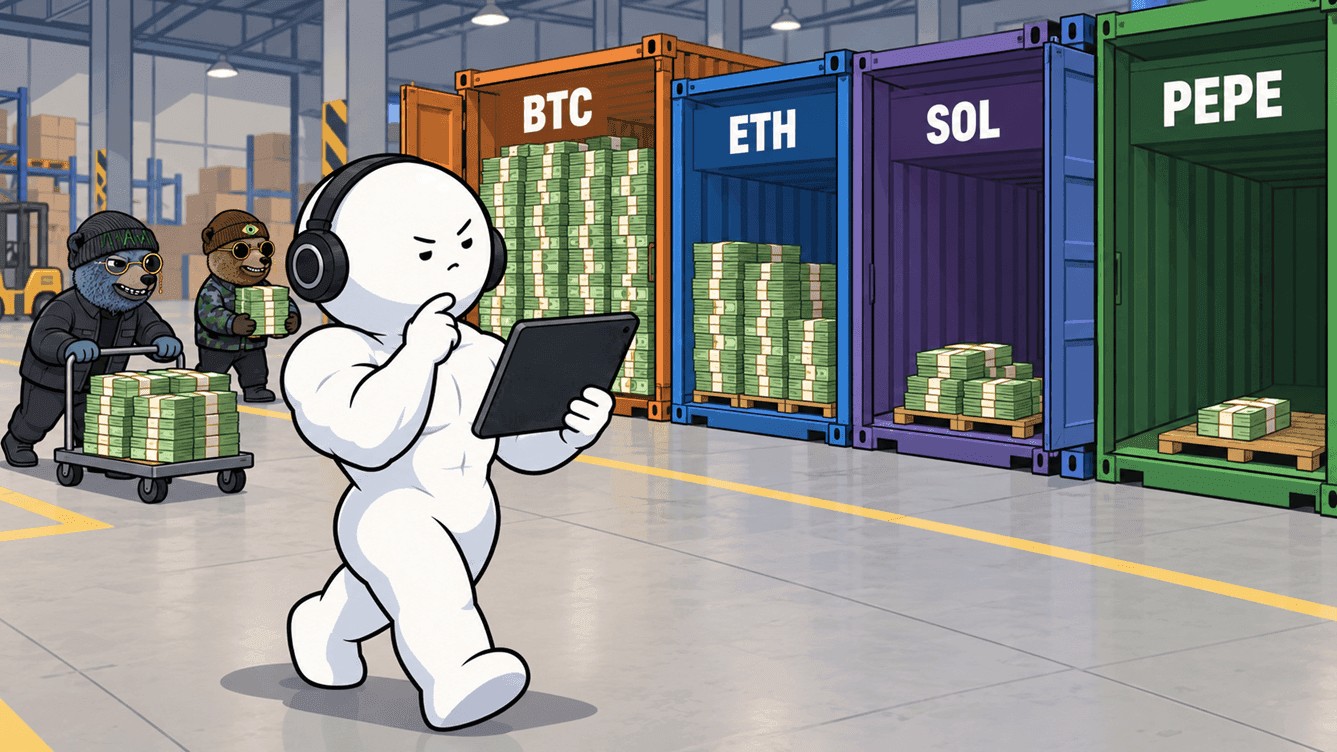
The foundation of Dmitry's approach is trading from liquidity. He starts his analysis on higher timeframes (looking, for example, for a double top with confirmation or a consolidation zone), then drops down to lower ones and works with levels, imbalances, and trendlines. For taking profit he marks targets by resistance levels and the 50% Fibonacci level, and highlights key levels with a support-and-resistance dashboard indicator.
In style he combines scalping and intraday: a scalp position lives 5–10 minutes, an intraday one from a couple of hours to a day or two.
"There's no best strategy. There's the one you understand and that's as simple as possible."
He pays separate attention to managing risk around news. He aims for a base risk/reward ratio of at least 2:1, but before important news he takes partial 25% profits to protect the position from sharp moves.
The rules he set for himself
Dmitry describes his system with strict limits. On a $10,000 funded account he has a $1,000 limit before liquidation and $500 per day — but he himself trades far more cautiously.
"By my system, a maximum of two trades a day. The daily stop is $100. You hit a $100 stop — you're out."
Stepping outside these limits, as he honestly admits later, is exactly what creates problems with the account.
How a range started sawing the deposit
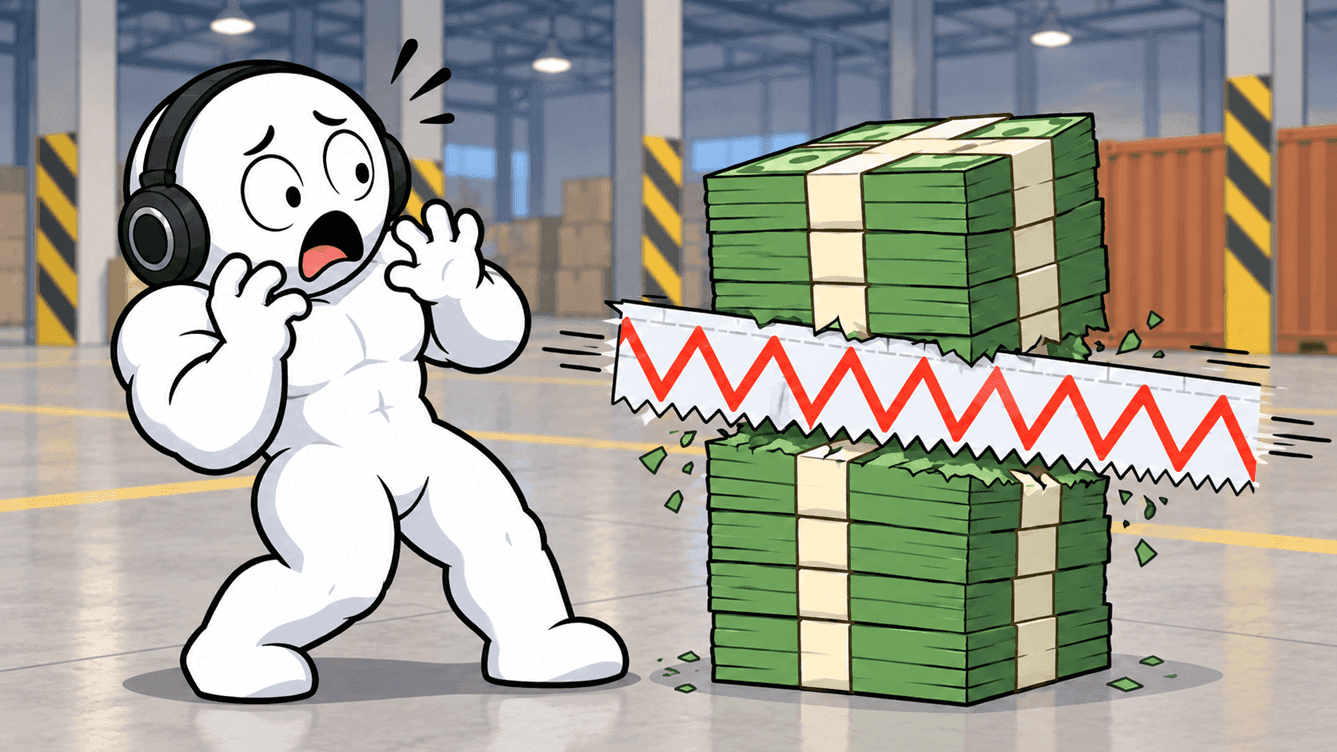
While the market was moving, everything went smoothly: before the payouts Dmitry traded almost without stops, and positions played out in an hour or two. The turning point came when the market got stuck in a range.
"We're seeing a gradual, gradual sawing-down of the deposit, unfortunately."
The mechanics are simple and treacherous: in a consolidation, price is squeezed between two liquidity levels, stops sit close by, and the market slowly knocks participants out one by one. A run of breakevens and small stops drags on for days — Dmitry shows how he spent almost a week in the market with no income at all.
This is where he has a vivid piece of advice on how not to feed the range with yourself.
"When price gets squeezed between two levels, it's worth going to make some tea, sitting down at the table, eating some cookies, and resting."
The "win it back" trap
Then comes the most honest part. Trying to reach a new payout within 14 days at all costs, Dmitry started raising his risk: his base stop per position grew from $50 to $100, and then to $250. That was the step outside his own limits.
"A desire appears to take revenge on the market, to try to earn, to step out of your system, to change your risk management — and problems appear."
The result was predictable: the account dropped from $10,000 to around $9,120. Still, Dmitry doesn't dramatize it — he shows that by returning to calm risk (roughly $12 per trade) the account would recover over a month or a month and a half.
"This happens to absolutely everyone. There's no situation worth getting too worked up about."
What the analytics showed
Dmitry breaks down his trading right in the platform's analytics. It clearly shows the difference between two periods: while he was building profit, trades ran almost without stops, but in the range his average risk/reward slid toward 1:1 — exactly when the account started dropping.
How this kind of breakdown and the AI challenge report work, we covered separately — Upscale's AI challenge review. The most memorable moment for Dmitry came before the second payout, when a run of setups on a single instrument brought him around $500.
Why Upscale, not other prop firms
Before Upscale, Dmitry traded on various platforms — SpiceProp, FiveYears, CashJ, Hashhedge — and compares them on the merits. His complaints aren't emotional but technical.
"On Hashhedge, sometimes you open the site and the deposit updates once every 5–10 minutes. If you're a scalper, you just don't see your deposit in time."
He adds to that quote problems with pricing and lag on other platforms that forced him to use a VPN. Against that backdrop, he highlights several things about Upscale: the balance updates every 15–20 seconds (critical for scalping), a fixed 0.03% funding rate, more accurate quotes — the price is averaged across several sources — and a convenient app instead of a finicky web version.
He especially liked the phase mechanics: on Upscale the profit target for the first phase is lower than at many competitors, so the first stage is passed faster — which gives motivation to keep going.
How not to blow your deposit in a range
From his own experience, Dmitry boils it down to a short checklist that helps you avoid handing your earnings to a range:
- Don't trade the chop. In a consolidation, step away from the chart — "go make some tea" — instead of hunting for trades at any cost.
- Cap it in trades. No more than two trades a day; hit −$100 for the day and you're done trading for the day.
- Don't raise risk to win it back. It's not the market that drains the account — it's stepping outside your own rules.
- Wait for a clean setup. One simple strategy you understand: no setup, no trade.
- A stop is normal. Breakevens and stops are inevitable, and on a prop account a mistake costs less than on your own deposit.
Payout certificates
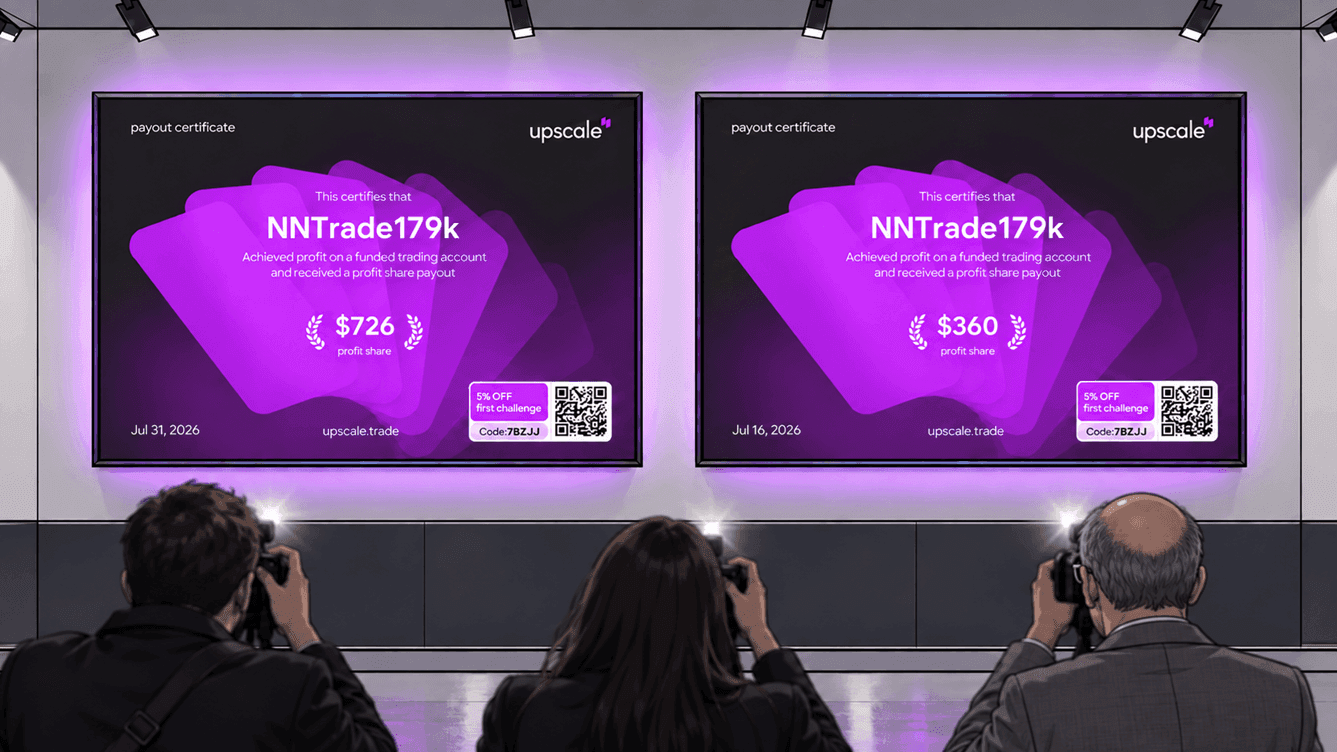
Dmitry's payouts from a $10,000 funded account: $360 (July 16) and $726 (July 31). Total: $1,086.
Verified results
Dmitry's results are verified by:
- An interview on the Upscale YouTube channel, with the account, analytics, and strategy shown on screen
- Two Upscale payout certificates from a $10,000 funded account
- A breakdown of the trading analytics (risk/reward, hold time, trades) in the platform interface
All Upscale payouts are made on-chain and can be independently verified on the blockchain.
Key Takeaways
Dmitry's story is valuable precisely because it shows not just the payouts, but how easily you can lose them. His main lesson is about the range: when the market is squeezed between levels, the best trade is often not to trade at all. In a consolidation, stops slowly knock participants out, and trying to "catch" that movement almost always ends in a series of small losses. Hence his own advice — in periods like that, step away from the chart rather than hunt for trades at any cost.
The second lesson follows from the first. The real danger isn't the range itself, but the reaction to it: the urge to win it back and reach a payout on time pushes you to raise risk and step outside your own rules. That, not the market, is what drains the account. Dmitry keeps hard limits — no more than two trades a day and a $100 daily stop — and admits the problems started exactly when he stepped away from them.
At the same time, he doesn't treat stops and losses as a catastrophe: breakevens and stops are an ordinary part of trading, and on a prop account a mistake costs less than on your own deposit. And finally, he advises choosing one strategy — not the "best" one, but the one you actually understand and can keep simple. Getting into the market without understanding, in his words, means turning trading into a casino.
Start now: 👉 Upscale.trade | Telegram Bot
Follow us: 📺 YouTube | 𝕏 Twitter
Community: 💬 Telegram Chat | 🎮 Discord
Frequently Asked Questions
Who is Dmitry and how much did he earn on Upscale?
Dmitry is a trader who came to the market from TikTok and has been trading on prop firms for about two years. From a $10,000 funded account he withdrew $1,086 in two payouts — $360 and $726 — having passed the challenge in roughly 15–16 days.
What strategy does Dmitry trade?
Trading from liquidity: analysis from higher timeframes, then levels, imbalances, and trendlines on lower ones, with profit-taking by resistance levels and the 50% Fibonacci level. In style he combines scalping (5–10 minutes) and intraday (from a couple of hours to a day or two), and aims for a base risk/reward ratio of at least 2:1.
Why is trading in a range harder?
Because in a consolidation, price is squeezed between two liquidity levels, stops sit close by, and the market gradually knocks participants out one at a time. A run of small stops and breakevens can drag on for days. Dmitry's advice is to step away from the chart in such periods and not hunt for trades at any cost.
How does Dmitry manage risk?
Through hard limits: no more than two trades a day and a $100 daily stop. Hit −$100 for the day, and trading is done for the day. In his words, the problems started exactly when he broke these rules and raised his risk trying to win it back.
What helped Dmitry understand his mistakes?
The platform's analytics. It clearly showed that while he was building profit, trades ran almost without stops, but in the range his average risk/reward slid toward 1:1 — exactly when the account started dropping. Dmitry honestly ties the drawdown to trying to take revenge on the market.
What does Dmitry advise beginners?
Choose one simple strategy you actually understand, and don't get into the market without knowledge — otherwise trading turns into a casino. Follow risk management and don't fear stops: on a prop account a mistake costs less than on your own deposit.